Car Detailing Benefits for Your Vehicle’s Condition and Value

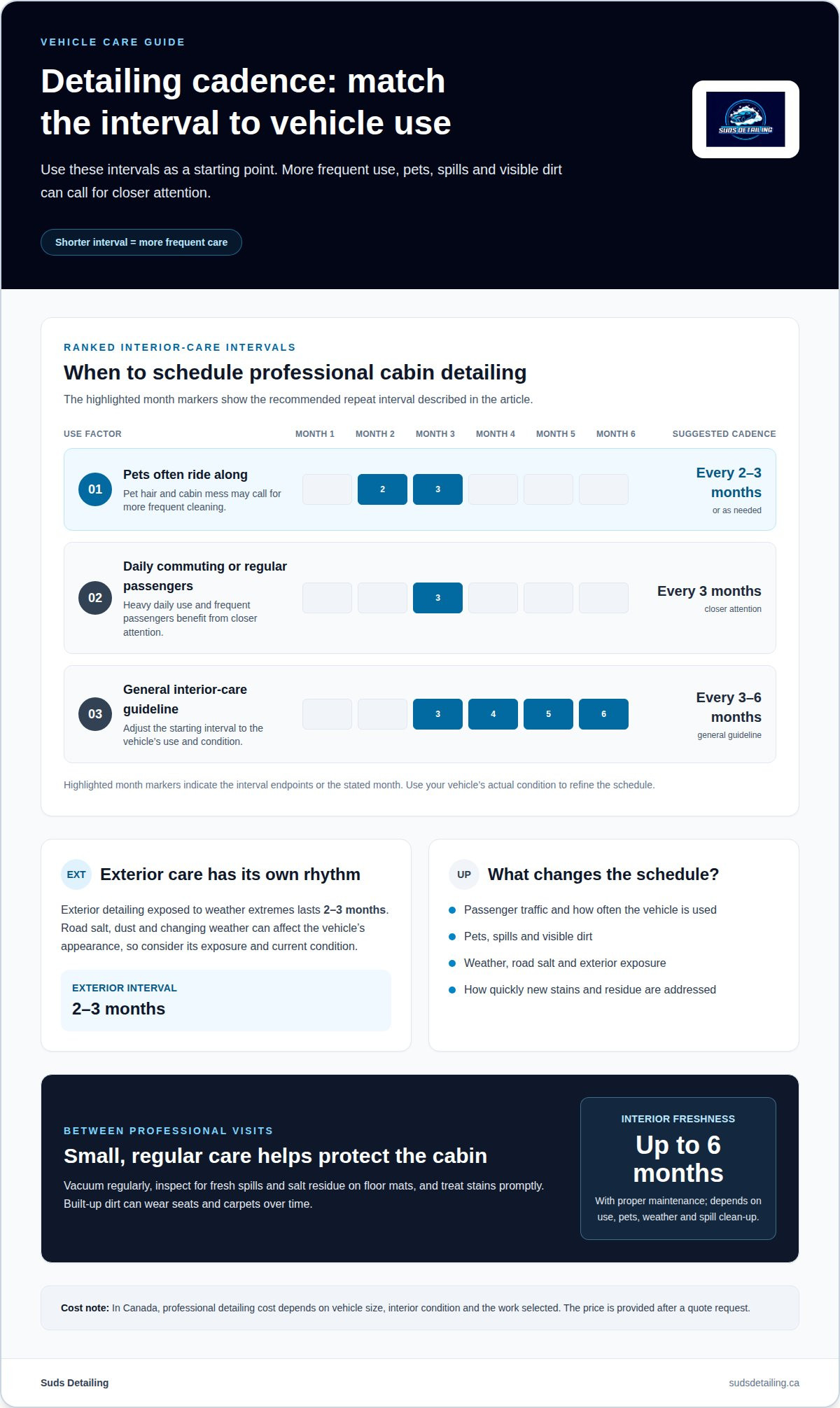
Clean condition can protect more than a car’s appearance. Maintaining vehicle value with detailing means regularly removing the dirt, spills and grime that can wear down interior materials and dull exterior surfaces. A general guideline is to detail a car’s interior every 3 to 6 months, with more frequent care useful when it gets heavy daily use.
It makes sense to want a vehicle to look cared for, especially when you plan to keep it for years or may eventually sell it. This article explains how interior and exterior detailing supports your car’s condition, how often to clean the cabin, and what washing, waxing and protective coatings can do. You’ll also learn how seasonal dirt, road salt and everyday messes affect a vehicle, so you can understand which detailing care fits its needs.
Table of Contents
How Often Should You Have the Interior of Your Car Professionally Detailed?
A general guideline is to have your car’s interior professionally detailed every 3 to 6 months. Daily commuters and drivers who regularly carry passengers may benefit from detailing every 3 months. If pets travel in the cabin often, plan for cleaning every 2 to 3 months or as needed. Use these intervals as a starting point, then adjust for spills, visible dirt and how frequently the vehicle is used.
In Canada, professional detailing cost depends on vehicle size, interior condition and the work selected; the price is provided after a quote request.
A clean cabin improves comfort and appearance. Crumbs between seats, dust on the dashboard and grit on carpets can make an interior feel neglected, while accumulated dirt can wear seats and carpets over time. Inspect the cabin regularly for fresh spills and salt residue on floor mats, so you can address buildup before it becomes harder to remove.
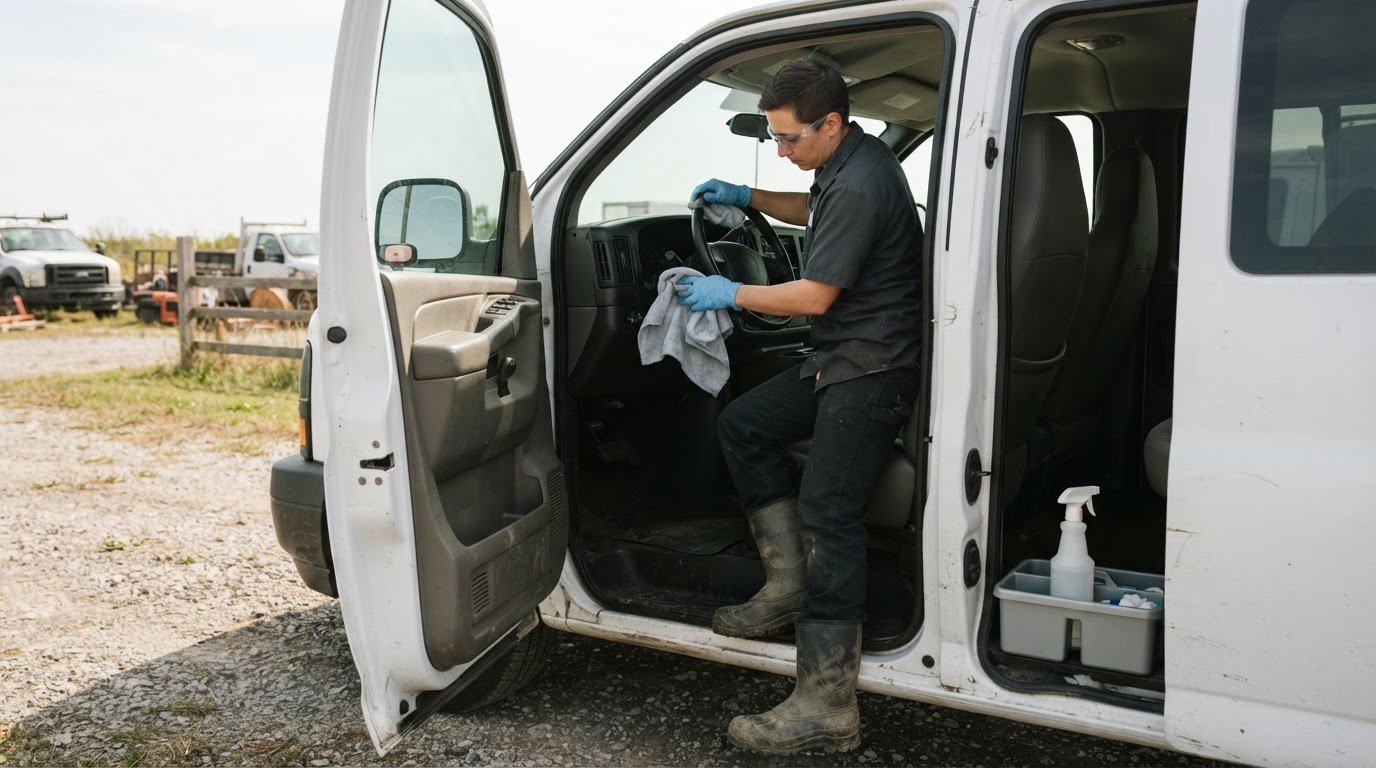
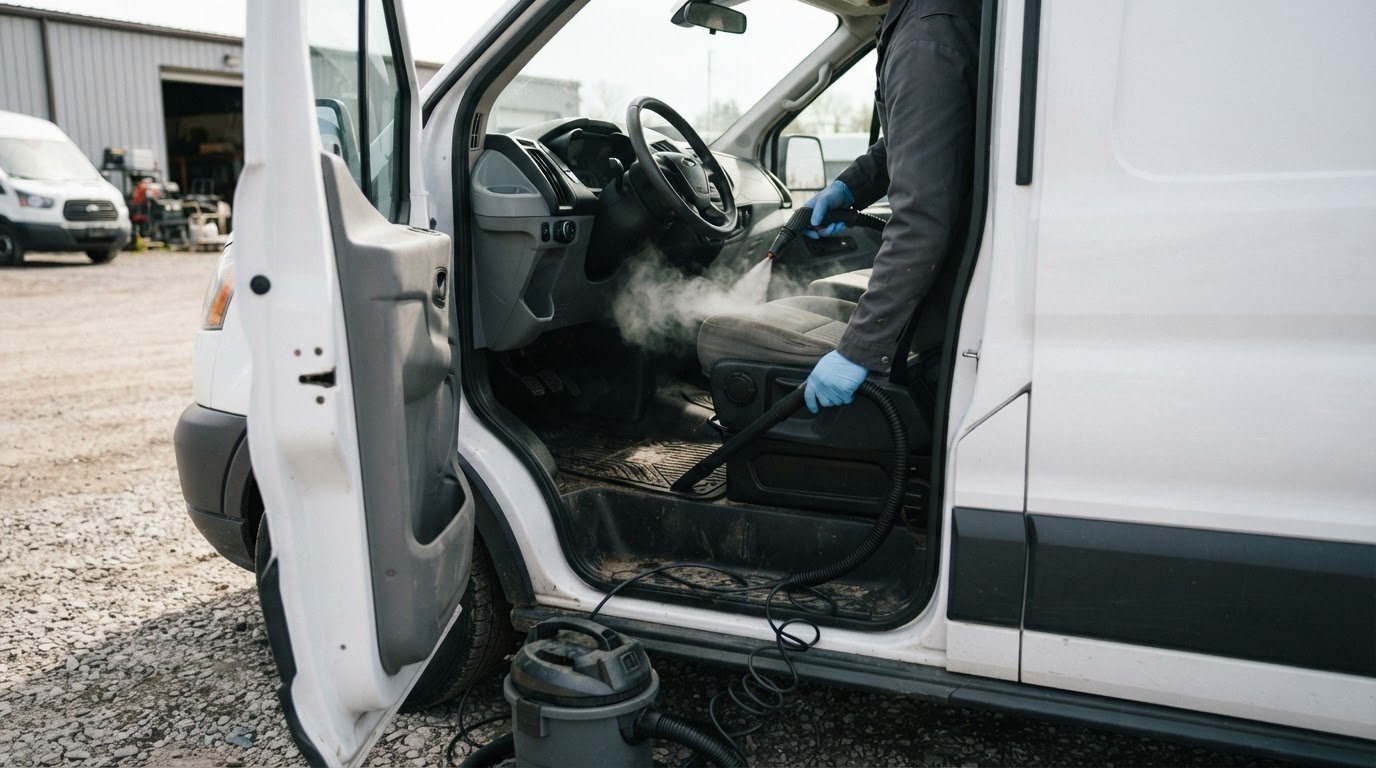
Professional interior cleaning usually starts with removing loose debris and vacuuming seats, carpets, floor mats and narrow sections around the console. Technicians then clean high-touch surfaces, including door panels, cup holders and dashboard trim, using suitable automotive cleaning products and cloths. For fabric upholstery, targeted cleaning can address embedded dirt; leather surfaces need products appropriate to their finish. These separate tasks help avoid spreading grit from one surface to another.
Prompt stain treatment matters because spills can set into upholstery or leave odours. A professional assesses the material and stain before choosing a cleaning method. For example, a drink on a fabric seat calls for a different approach from greasy marks on a hard console surface. Household cleaners should not be used on car surfaces, since a product made for the home may be unsuitable for a vehicle’s trim or upholstery.
With proper maintenance, interior detailing can keep a vehicle looking fresh for up to six months. That period depends on passenger traffic, pets, weather and how quickly new spills are cleaned. Exterior detailing exposed to weather extremes lasts 2 to 3 months, so its upkeep may follow a different rhythm from cabin care. For the interior, regular vacuuming between professional visits and prompt attention to stains help preserve comfort and condition.
How Car Detailing is Beneficial to the Car Owner?
Detailing helps maintain the condition buyers see and feel, from clean carpets to cared-for paintwork. Its effect on resale value depends on the vehicle’s starting condition, ongoing care and the buyer’s assessment.
Resale and Trade-In Value
Resale and trade-in value depend on what a buyer or dealer is willing to pay for a vehicle in its current condition. A tidy cabin and cared-for exterior can suggest consistent upkeep. Regular detailing addresses dirt, stains and grime before they build up, helping avoid cosmetic neglect. It cannot reverse mechanical wear or guarantee a higher offer, but it can help keep the vehicle presentable.
For used-car resale, appearance matters alongside age, mileage, service history and mechanical condition. Pristine vehicles may sell for 10% to 20% more than similar models in poor condition, while professional detailing can increase market value by up to 15%. These figures describe potential differences, not a promised result for every vehicle. A buyer will still consider the engine, driving performance and documented maintenance.
Return on Detailing Services
For resale preparation, focus on visible areas that need attention: vacuuming, carpet and upholstery cleaning, stain removal and exterior washing. Choose a package according to the vehicle’s condition rather than assuming every car needs the same level of work. Suds Detailing’s interior and in-and-out packages let you select focused cabin care or cleaning for both the interior and exterior.
According to the International Detailing Association, 80% of car buyers would pay more for a vehicle that appears well-maintained. A professionally detailed car can also boost trade-in value by 3-5% on average. Neither figure guarantees a return that exceeds detailing costs; the starting condition and local buyer interest matter. For a fleet, consistent cleaning across vehicles can also support a uniform presentation.
Detailing practices can reduce resale appeal if they scratch paint, leave residue or damage delicate trim. Abrasive tools, unsuitable cleaners and careless handling around screens or upholstery can create visible flaws. Aggressive cleaning near engine components can also cause problems, so the method should match the surface and task.
Before a sale, focus on the cabin and exterior areas buyers are likely to inspect. Clean carpets, seats, door panels and glass support a consistent presentation, while a careful hand wash removes surface grime. Detailing helps maintain appearance, but it does not replace mechanical repairs or maintenance records. Its role is to limit preventable cosmetic wear and present the vehicle honestly.
Exterior washing, waxing and ceramic coating
Exterior care removes grime and can help protect the finish, but washing and protective treatments serve different purposes. In Canadian conditions, road salt, dust and changing weather affect a vehicle’s appearance, so care should reflect its exposure and current condition.
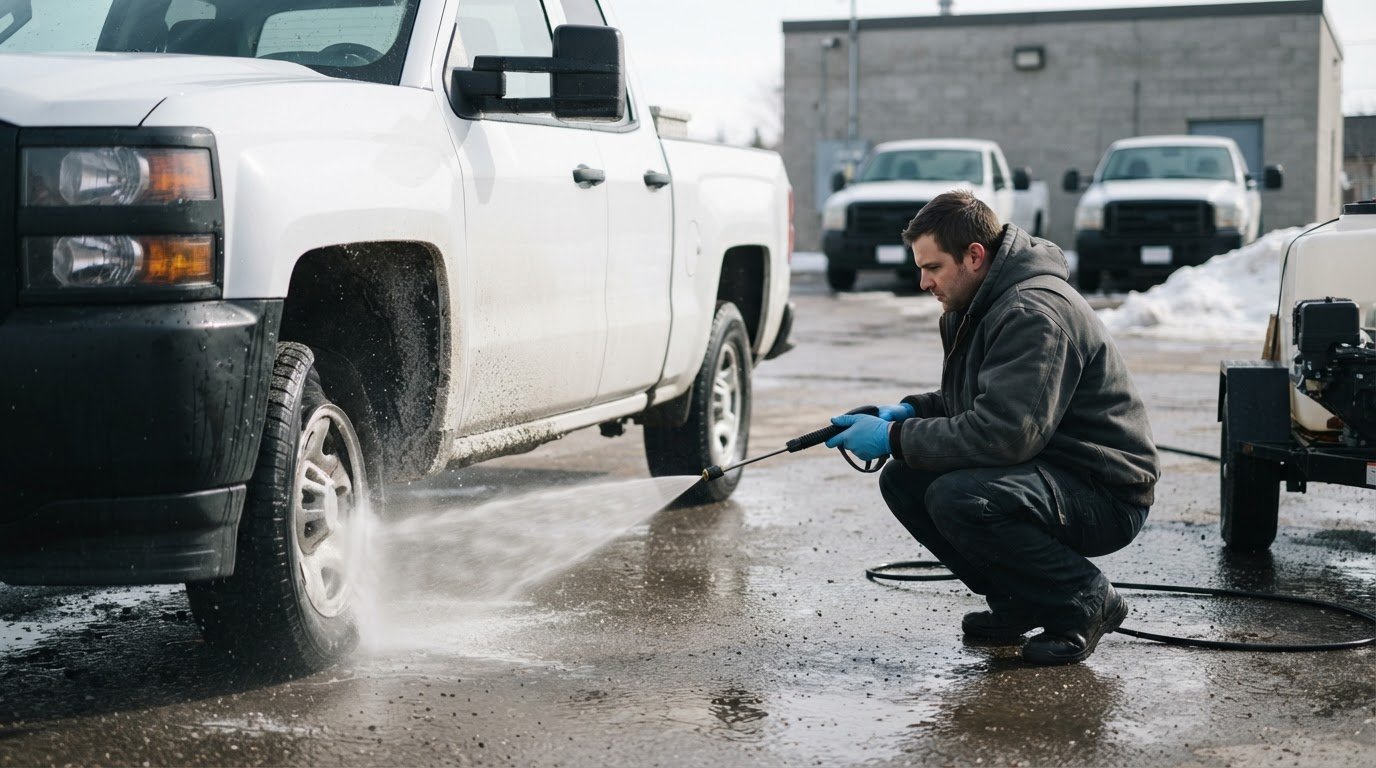
Professional washing begins with a careful rinse to loosen surface dirt. In the two-bucket method, one bucket holds soapy water and the other rinses the wash mitt or sponge. This keeps some grit out of the cleaning solution, reducing the chance of dragging it across the paint. Professionals may also use separate towels or mitts for different vehicle sections, limiting the spread of dirt between panels.
After washing, drying the vehicle helps prevent water spots. A thorough exterior service also cleans windows, mirrors and other accessible surfaces where grime can affect appearance or visibility. The sequence matters: washing removes loose contaminants before a protective product is applied. Exterior detailing may last 2-3 months when a vehicle faces weather extremes, but exposure and routine care affect how quickly the finish needs attention.
Wax provides a surface layer that enhances the car’s looking-great finish, but traditional carnauba wax needs reapplication every 2-3 months. Synthetic paint sealants last 6-12 months and protect against UV rays and environmental contaminants. These durations differ because the materials and their protective properties differ. A professional considers the vehicle’s exposure and finish when selecting paint care, rather than treating every exterior with the same product.
Ceramic coatings are another category of paint protection. They bond chemically to vehicle paint, unlike waxes or sealants, and a single application can last up to 9 years. That lifespan is a maximum, not a routine expectation for every vehicle. Ceramic coating is distinct from washing or waxing, and it isn’t necessary simply to keep a car clean. The vehicle’s use, exposure and care influence whether such a coating suits its needs.
Paint care also depends on avoiding abrasive contact. Separate wash mitts or towels for different sections help prevent grit from scratching the finish, while clean drying materials reduce the chance of leaving marks. Windows need attention too: grime on glass can obscure visibility, especially in poor weather or at night. For a vehicle exposed to Canadian winter roads, regular washing helps remove accumulated salt before it remains on exterior surfaces.
Choose exterior care according to the protection needed: washing removes surface grime, wax and sealants add temporary protection, and ceramic coatings provide a different, longer-lasting option. Matching the method to the finish and exposure helps keep the exterior presentable without assuming every vehicle needs the same treatment.
Protection from UV rays, dirt, and road salt
Canadian driving exposes a vehicle to changing conditions, from winter road salt and moisture to summer dust and pollen. These elements affect more than the exterior: dirt can wear seats and carpets, while a grimy cabin can make everyday driving less comfortable. Seasonal detailing addresses the different residue brought inside during winter and summer, helping preserve surfaces buyers notice when they inspect a vehicle.
UV exposure is another reason to consider paint protection. Synthetic sealants last 6-12 months and protect against UV rays and environmental contaminants. Their role is to add a protective layer, not to repair existing paint damage or replace washing. A vehicle parked outdoors, for example, faces different exposure from one kept in a garage, so the condition and use of the vehicle guide the care interval.
Winter road salt and moisture can collect on exterior surfaces during regular driving. Removing accumulated residue through seasonal exterior cleaning helps keep the vehicle presentable and limits prolonged contact with grime. The same season can bring salt and dampness into the cabin on footwear and floor mats. A detailed interior clean can address those deposits before they become part of the vehicle’s everyday appearance.
Summer brings dust and pollen that can settle on exterior panels, windows and cabin surfaces. Dirt tracked inside can wear carpet fibres with repeated foot traffic. Different surfaces need different care: carpet is not cleaned in the same way as hard trim, and clear glass helps maintain visibility in changing weather.
Protection also supports the driving experience. Clean windows and mirrors help maintain visibility, while clear headlights allow their light to reach the road without a film of grime. Salt residue, dust and smudges can undermine that clean impression even when the vehicle is mechanically sound. A seasonal review can identify which surfaces need attention, rather than applying the same treatment to every area.
Paint sealants and interior cleaning address different forms of exposure. A synthetic sealant protects exterior paint from UV rays and environmental contaminants for 6-12 months; interior detailing focuses on dirt, salt and moisture affecting cabin materials. Neither substitutes for the other. For buyers, the result is a more consistent impression across the body, windows and cabin, with fewer signs of neglected seasonal buildup.
For vehicles driven through Canadian winters, seasonal detailing can address salt and moisture after cold-weather use, then tackle summer dust and pollen later. The timing should follow actual exposure and visible buildup. Removing dirt from carpets and seats also helps limit wear from continued use, while suitable exterior protection helps preserve the paint’s appearance between cleanings.
How detailing helps maintain a vehicle’s condition
Auto detailing is a thorough cleaning of a vehicle’s interior and exterior. Unlike a basic car wash, it addresses different surfaces and often-neglected areas, from cabin upholstery to exterior glass. That matters because dirt can wear seats and carpets, while grime on windows, mirrors and headlights affects appearance and may obstruct visibility.
Detailing supports a vehicle’s condition by removing accumulated dirt before it becomes persistent buildup. Seasonal care can address winter salt and moisture inside the cabin, then summer dust and pollen. Because residue collects in different places, carpets, door panels and exterior surfaces need care suited to their materials. A consistent plan for maintaining vehicle value with detailing can help limit preventable cosmetic wear, though it cannot reverse existing damage.
Inspect your vehicle regularly for fresh stains, dirt in floor-mat grooves, smudged mirrors and grime on headlights. A coffee spill on fabric, for example, is easier to address promptly than after it has been left to set. Clean windows and headlights also support visibility, especially at night or in poor weather.
Professional detailing treats the vehicle’s connected surfaces as separate tasks. Vacuuming removes loose dirt from carpets and crevices, interior cleaning addresses marks on hard trim, and exterior washing removes grime from painted panels and glass. Using suitable methods for each material helps prevent debris from spreading and keeps the whole vehicle looking consistent.
Keep records of the vehicle’s care over time. Detailing receipts can show when service took place and what work was performed, while maintenance records provide context about broader upkeep. Before-and-after photos can show visible changes, such as a cleaned seat or floor mat. These records help explain the care taken, but they do not replace mechanical records or prove that damage never occurred.
For useful photos, capture the same area from a similar angle and in comparable lighting. A seat photographed before and after stain removal, for example, makes the change easier to assess. Keep images with the matching receipt, date and service description. This record can support maintaining vehicle value with detailing by showing buyers what care was performed, without claiming the vehicle is free from wear.
Detailing can also help you notice changes in your vehicle’s condition. Cleaning may reveal a new stain, unusual residue or worn carpet that routine washing misses. Recording observations alongside service history creates a clearer timeline. Detailing is not a substitute for repairs, but consistent cleaning and documentation can make deterioration easier to spot and explain.
To keep your car’s condition on track, consider booking professional detailing when seasonal buildup or persistent interior dirt needs a more thorough clean.
Suds Detailing
Suds Detailing helps maintain your vehicle’s condition with mobile interior and exterior detailing in Grand Valley, Caledon, Orangeville, Erin, Mono, Arthur, Shelburne, Guelph, Fergus, Georgetown and Dundalk. Choose an interior package for focused cabin care, or an in-and-out package when both the cabin and exterior need attention. The Basic In & Out Package covers routine cleaning, while the Full In & Out Package adds a more comprehensive interior and exterior detail. Businesses can use Fleet Services to support consistent care across their vehicles.
Professional detailing is a practical next step when seasonal residue, persistent stains or accumulated dirt are affecting your vehicle’s appearance. It supports ongoing care, but doesn’t replace mechanical maintenance or guarantee a particular resale price. For attentive cleaning that fits your vehicle’s needs, contact Suds Detailing.
Make thoughtful care part of your vehicle’s future
A steady approach to maintaining vehicle value with detailing starts with matching care to how you use your vehicle. A family car that carries passengers, a commuter vehicle exposed to changing weather and a work fleet all face different wear. Let the vehicle’s condition guide your next step, rather than waiting until dirt, stains or seasonal residue become harder to address.
Think of detailing as one part of responsible vehicle ownership. Regular care for the surfaces you use and see most helps keep the vehicle presentable, while maintenance records and prompt repairs address needs beyond cleaning. If you’re preparing for a future sale, a clean, well-cared-for vehicle can support an accurate presentation without promising a particular offer.
Choose the areas that need attention now, then make professional care part of your ongoing vehicle routine. A considered next step can help you protect the condition you’ve worked to preserve. Contact Suds Detailing today to discuss your vehicle’s detailing needs and move forward with care.
Frequently Asked Questions
What is Included in a Car Detail?
A car detail combines thorough interior cleaning with exterior washing and finishing, with the exact work depending on the package. Suds Detailing’s Basic Interior Package includes steam cleaning of floor mats, dashboard, centre console, cup holders and door panels, vacuuming seats and carpets, and interior glass cleaning. The Full Interior Package adds seat and carpet steam cleaning and stain removal, vinyl protectant, and leather treatment and protectant. In-and-out packages add exterior washing and finishing, including door-jam cleaning.
Why Should You Get Your Vehicle Professionally Detailed?
Professional detailing can reach accumulated dirt in tight areas that routine cleaning often misses, such as around seat seams, cup holders and console edges. A trained detailer also selects cleaning methods for different materials, helping avoid treating leather, fabric and hard trim alike. This can be useful before a sale, after a messy trip, or when seasonal grime has built up inside and outside the vehicle.
How does regular detailing affect a vehicle's resale value in Canada?
Regular detailing can support resale value by keeping visible surfaces cleaner and limiting avoidable cosmetic wear. Buyers may form an impression from the cabin, paint, glass and odour as well as the vehicle’s maintenance history. In Canada, a clean interior after winter driving can show that salt and moisture haven’t been left to accumulate. Detailing contributes to presentation, but it doesn’t replace mechanical care or determine the final sale price.
How often should you detail a car to maintain its value?
A useful baseline is professional interior detailing every 3 to 6 months, adjusted for use and condition. A vehicle used for daily commuting or frequent passenger trips may need attention closer to every 3 months; regular pet travel can call for cleaning every 2 to 3 months or as needed. Fresh spills and visible buildup call for attention sooner than the routine interval.
Is professional detailing worth the cost compared with DIY detailing?
Professional detailing is useful when accumulated grime, persistent stains or cabin surfaces need focused attention. A do-it-yourself clean may suit light upkeep, but results depend on your time, equipment and familiarity with vehicle materials. Consider the work required and the vehicle’s condition: professional interior or in-and-out cleaning can help when a quick vacuum and surface wipe are not enough.
How can a professional detailer protect a vehicle’s paint from Canadian road salt, snow, and UV damage?
A professional can remove surface grime with careful washing and apply a suitable paint sealant to help protect against UV rays and environmental contaminants. In Canadian winters, salt residue also makes seasonal exterior cleaning useful. Protection depends on the product and exposure: synthetic sealants last 6-12 months. Regular washing removes grime, while a sealant provides a separate protective layer.
Does ceramic coating or paint protection film help preserve resale value?
Ceramic coatings bond chemically to paint and can provide longer-lasting protection than wax, with a single application lasting up to 9 years. Paint protection film is a separate product. Either may help preserve the appearance of covered paint, but neither guarantees a higher resale value. Suds Detailing does not offer ceramic coating, so this describes the product category, not a service available through the business.
Can detailing remove scratches, stains, odours, or salt damage before selling a car?
Detailing can clean surface grime and address some interior stains, but it does not remove paint scratches or repair physical damage. Stain results depend on the material, age and depth. Salt residue on mats and carpets can be cleaned, while corrosion or damaged surfaces require repair rather than detailing. A detailer can help distinguish removable residue from wear that remains visible.
Comments